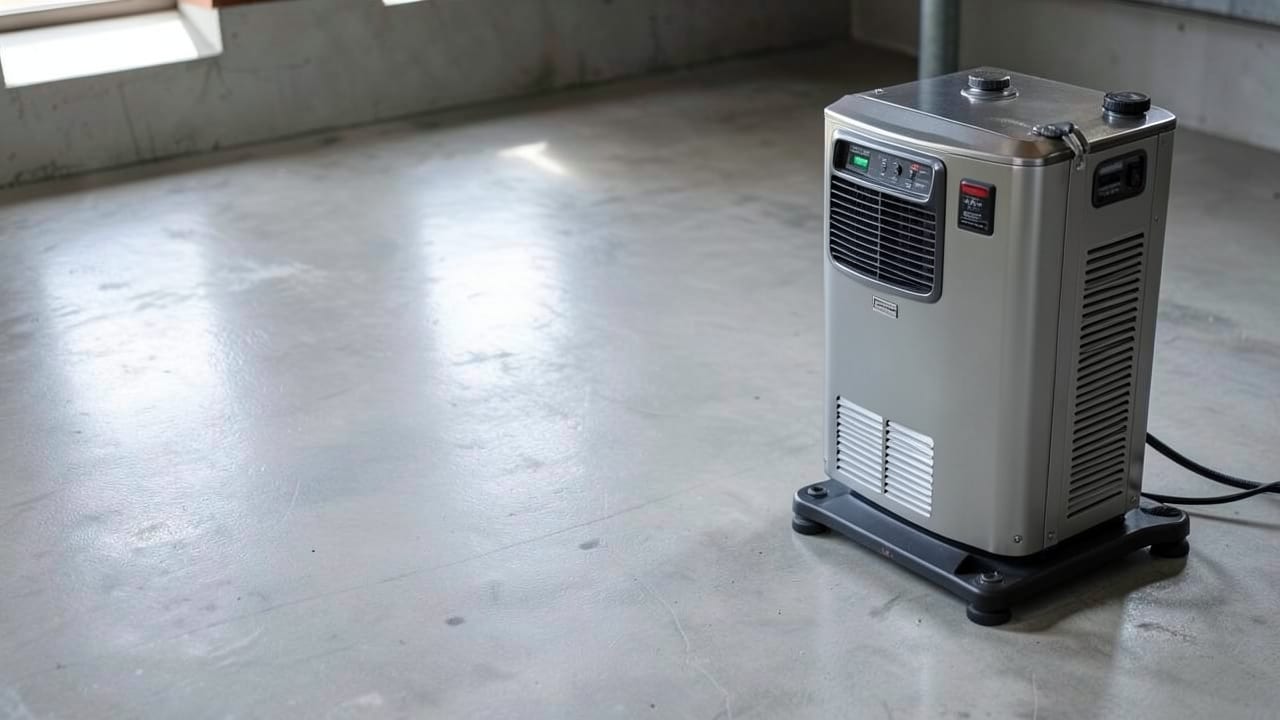
Concrete Mold Remediation
Professional removal and treatment of mold from concrete surfaces in homes.
Concrete mold remediation in Eddington, PA, addresses mold growth on concrete surfaces like basements, foundations, and patios. This process includes cleaning, disinfecting, and applying preventative measures to inhibit regrowth, ensuring a safer indoor environment for your home.
When to consider concrete mold remediation
Mold on concrete surfaces can often be mistaken for dirt or staining, but its presence indicates a moisture issue that needs addressing. If you notice mold covering more than a small patch, or if it keeps returning after cleaning, it’s time to consider professional remediation.
We also handle Metal Ductwork Mold Remediation and Glass Window Mold Removal for Eddington properties.
A musty smell with no visible mold can also signal hidden growth in walls or under flooring.
Concrete mold thrives in damp environments, and without proper treatment, it can spread and damage both the structure and your health. Recognizing the signs early helps prevent further damage and ensures the issue is resolved effectively.
Signs You May Need Mold Remediation
- Mold covering more than 25 contiguous square feet (a common threshold for professional intervention).
- Mold that reappears in the same spot after cleaning, indicating an unresolved moisture source.
- A musty smell with no visible mold, suggesting hidden growth in walls, under flooring, or within HVAC systems.
- Visible mold on concrete surfaces like basements, foundations, or patios that persists despite cleaning efforts.
What affects the cost and timeline?
The cost of concrete mold remediation depends on the size of the affected area, the type of mold, and the extent of the damage. Black mold typically increases the cost due to its toxicity and the additional precautions required.
The timeline also varies based on the severity of the contamination and the steps needed to fully address the issue.
Containment, removal, HEPA filtration, and structural drying are all critical steps that influence both cost and duration. A thorough job ensures the mold is removed and prevents it from returning, but these steps add time and expense to the process.
What to look for in a remediation provider
Choosing the right provider for concrete mold remediation is crucial for ensuring the job is done safely and effectively. Look for contractors who follow industry best practices, including containment, HEPA filtration, and clearance testing.
Avoid providers who rush the inspection or pressure you into signing a contract without a clear scope of work.
A reputable provider will offer a detailed, written scope of work, separate pricing for containment and clearance testing, and confirm compliance with Pennsylvania’s Home Improvement Consumer Protection Act (HICPA) if applicable. Always ask for third-party lab testing to verify the mold species and clearance after remediation.
| Red Flag | Why It’s Concerning |
|---|---|
| Verbal price with no written, itemized scope | No way to compare bids or confirm what’s included. |
| Pressure to sign during the inspection visit | Legitimate scopes take time to prepare accurately. |
| No mention of post-remediation clearance testing | No independent confirmation the job worked. |
| Full payment requested before work starts | Removes leverage if the job isn’t completed as promised. |
How concrete mold remediation works
This process ensures mold is safely removed and prevents regrowth by addressing both the contamination and its source.
- 1Containment
Plastic sheeting and negative-air machines seal the work area to prevent airborne spores from spreading to uncontaminated parts of your home.
- 2Removal and Cleaning
Porous materials like drywall or carpet padding are removed and bagged, while non-porous surfaces like concrete are scrubbed and treated to eliminate mold.
- 3HEPA Filtration
HEPA air scrubbers and vacuums capture mold spores during removal, preventing them from recirculating into the air.
- 4Structural Drying
Industrial dehumidifiers and air movers reduce moisture levels in framing and subfloors to prevent mold regrowth.
- 5Clearance Testing
An independent lab tests the area after remediation to confirm spore counts are within normal ranges before containment is removed.
Frequently asked questions
How do I know if the mold on my concrete surfaces is serious enough to require professional remediation?
If the mold covers more than a small patch (typically over 25 square feet), keeps returning after cleaning, or you notice a musty smell with no visible mold, it’s likely time for professional intervention. These signs often indicate hidden growth or an unresolved moisture issue.
Will the remediation process damage my concrete surfaces?
Professional remediation is designed to clean and treat concrete surfaces without causing damage. The process focuses on removing mold and moisture while preserving the integrity of the material.
How long does the entire concrete mold remediation process take?
The timeline varies depending on the size of the affected area and the extent of the contamination. Containment, removal, drying, and testing can take anywhere from a few days to over a week, depending on the job’s complexity.
What can I do to prevent mold from returning after remediation?
Fixing the moisture source—such as leaks, condensation, or grading issues—and maintaining proper airflow and humidity levels in affected areas helps prevent regrowth. Periodic checks for dampness or musty smells in the first year are also recommended.
Where Eddington sits, and what the Census lists nearby
Eddington sits in Pennsylvania, and the closest places listed in the U.S. Census Gazetteer are Cornwells Heights (0.8 miles southwest), Beverly, NJ (1.9 miles southeast), Andalusia (1.9 miles southwest), Croydon (2.5 miles east). Within 25 miles of Eddington the same source lists 208 distinct incorporated places and census-designated places.
Those figures matter for concrete mold remediation because they are straight-line distances between Census coordinate points: road mileage between Eddington and Cornwells Heights runs longer than the 0.8 miles shown, which is why quotes for the same job differ between towns that look close together on a map.
Source: U.S. Census Bureau Gazetteer.
See Rockledge, PA for more, or discover our full crew's Eddington services at a glance for our complete lineup.
Ready to get started?
Talk to a local mold remediation pro in Eddington — get a written quote.
Other Mold Remediation Services in Eddington
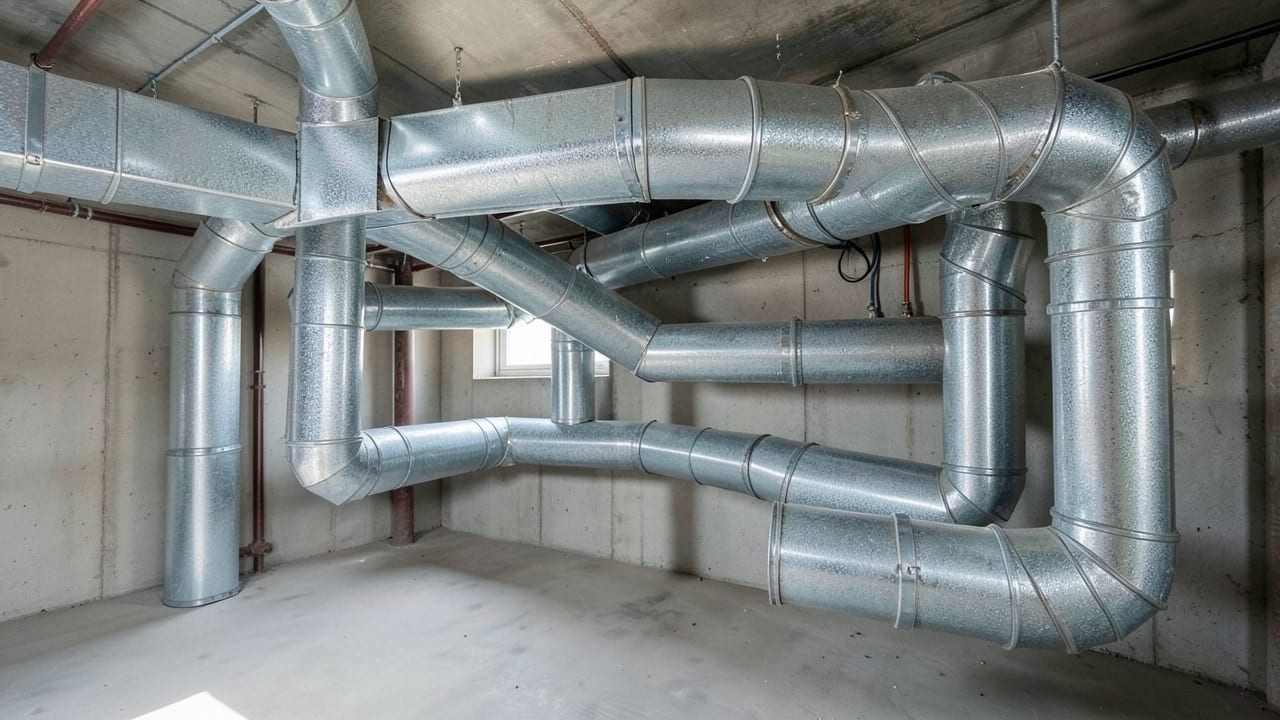
Metal Ductwork Mold Remediation in Eddington, PA
Professional removal of mold from metal ductwork to restore indoor air quality.
Learn More
Glass Window Mold Removal in Eddington, PA
Professional removal of mold from glass windows and frames to restore clarity and prevent spread.
Learn More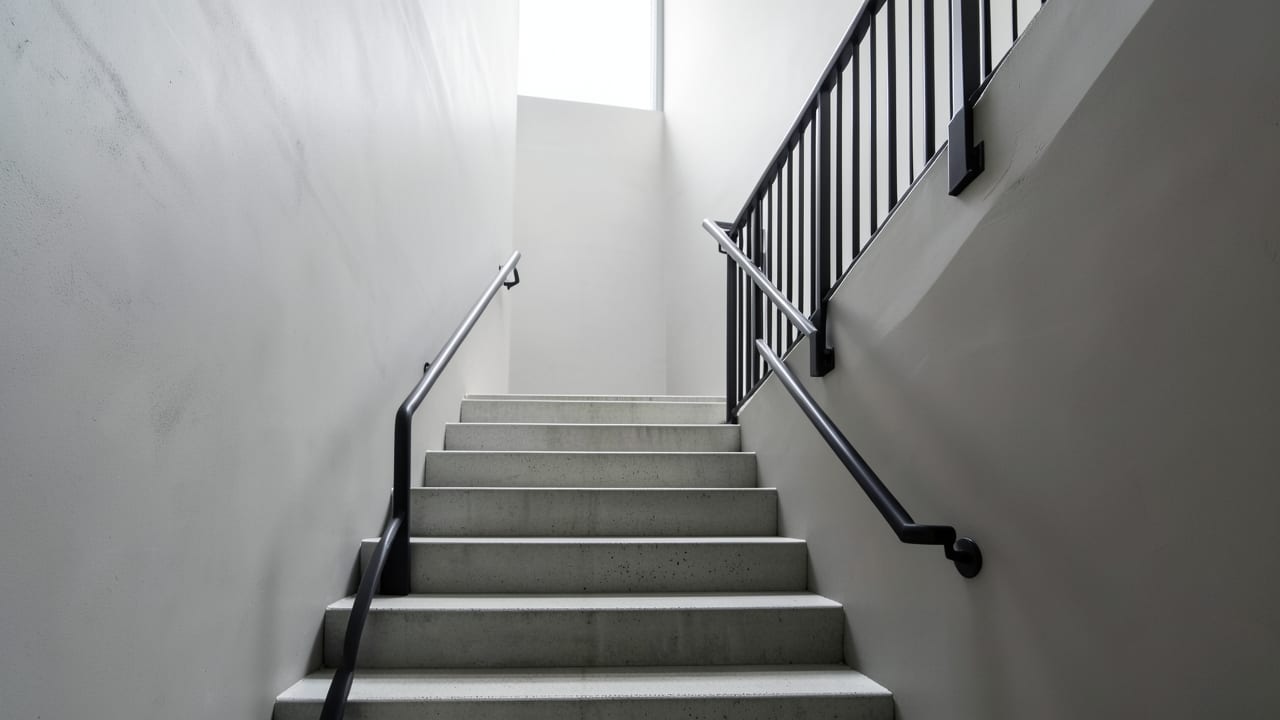
Stairwell Mold Remediation in Eddington, PA
Professional mold removal and prevention in stairwells to restore safe, clean spaces.
Learn More
Sunroom Mold Remediation in Eddington, PA
Professional removal and treatment of mold in sunrooms to restore a safe, clean space.
Learn More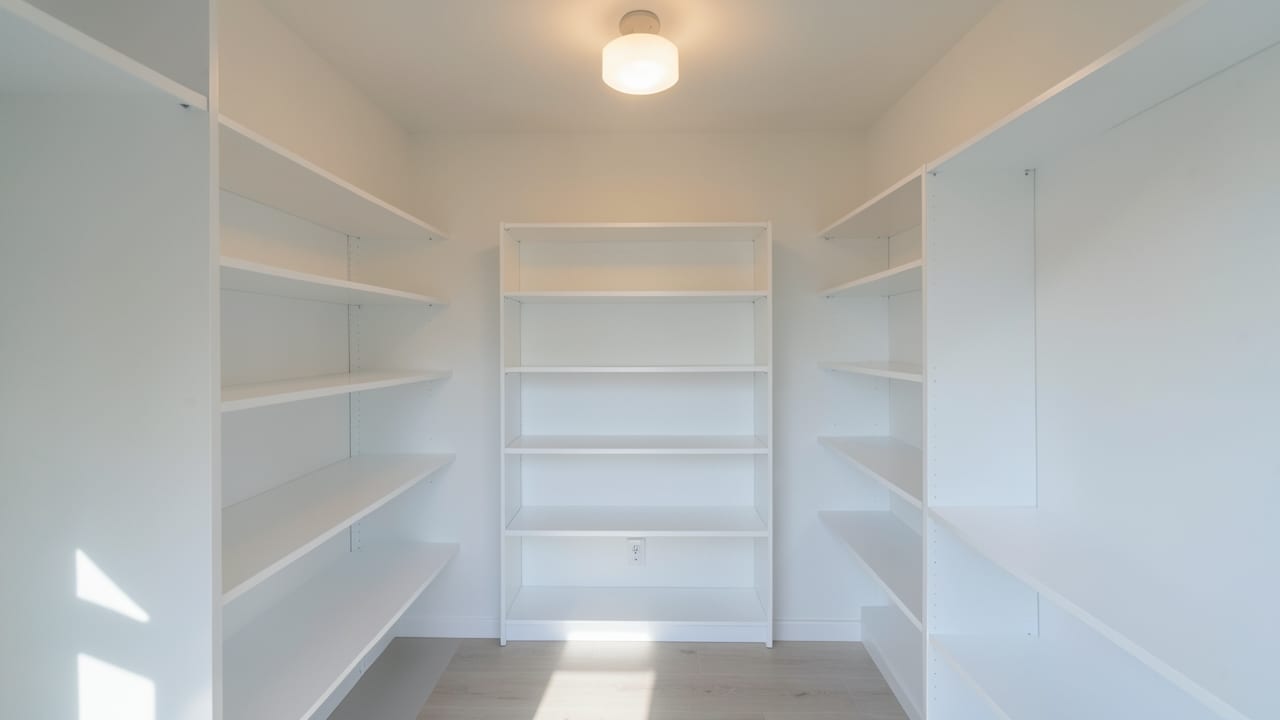
Closet Mold Cleanup in Eddington, PA
Professional cleanup and removal of mold from closets to restore safe, healthy spaces.
Learn More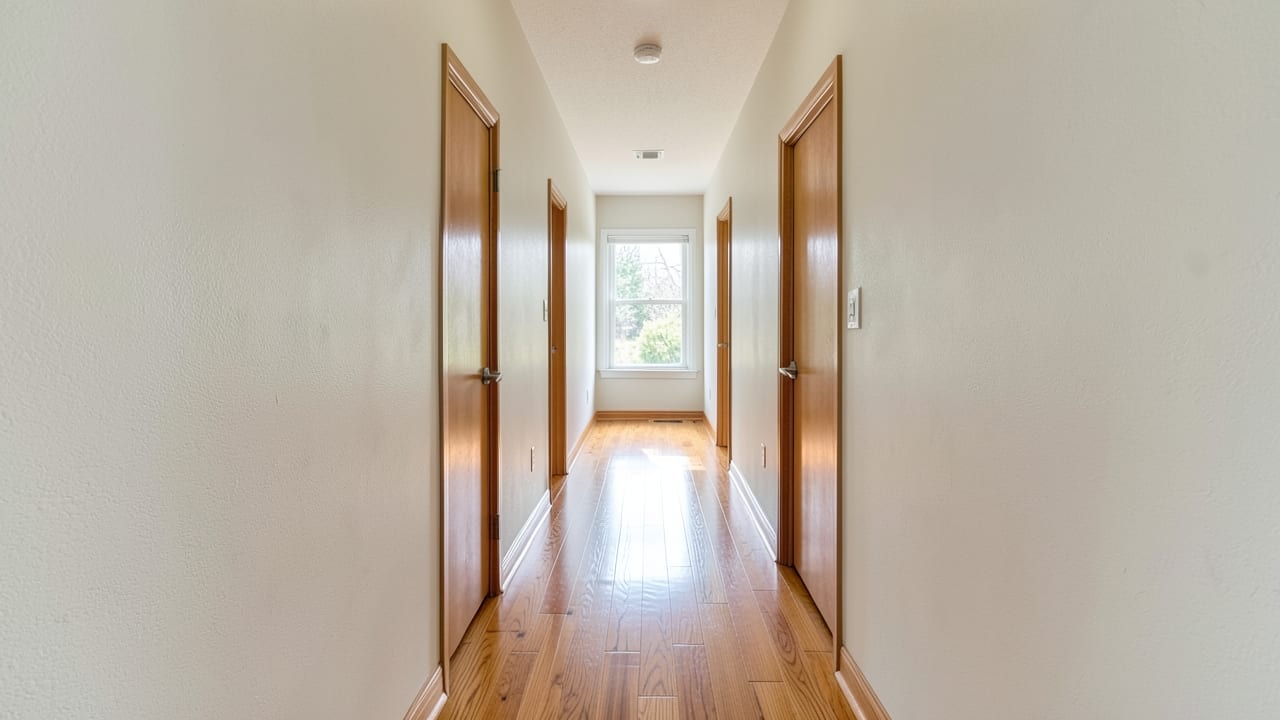
Hallway Mold Remediation in Eddington, PA
Professional removal and treatment of mold growth in residential hallways.
Learn MoreCommon Questions About Mold Remediation in Eddington
Everything you need to know about mold remediation services in Eddington
How much does Concrete Mold Remediation typically cost in Eddington, PA?
Why does Eddington, PA's humidity make mold a bigger risk than in drier regions?
What's the actual difference between mold removal and mold remediation?
Is a final clearance test part of a typical mold remediation job?
How does mold remediation actually prevent the problem from coming back?
Can mold growing inside HVAC ductwork spread to the rest of a home?
Need Mold Remediation in Eddington?
Connect with local providers in Eddington for a detailed quote.
⏰ We answer your call • Serving all of Eddington and surrounding areas