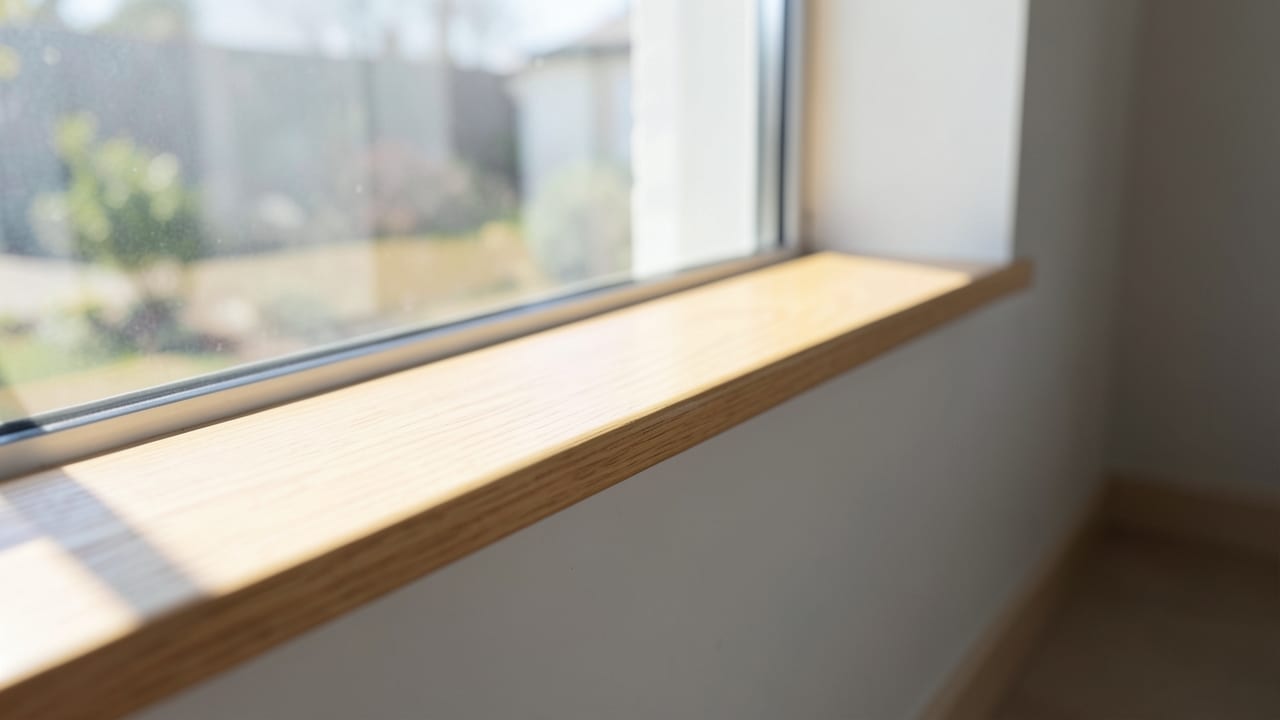
Window Sill Mold Cleanup
Professional cleanup of mold growth on window sills to restore a healthy indoor environment.
Window sill mold in Eddington, PA, thrives in damp, poorly ventilated areas where moisture lingers after rain, condensation, or leaks. Unlike surface cleaning, professional remediation includes containment, antimicrobial treatment, and drying to prevent regrowth, addressing both visible mold and hidden moisture sources that fuel it.
Local contractors follow strict protocols to protect your home and ensure the issue doesn’t spread to other areas.
We also handle Mold Removal & Remediation and Water Damage Restoration for Eddington properties.
When to call for professional help
Window sill mold often starts as a small, isolated patch, but certain signs mean it’s past the point of DIY fixes. If the mold covers more than a few square feet, keeps returning after cleaning, or you notice a musty smell with no visible growth, professional remediation is needed.
Hidden moisture sources—like leaks behind trim or poor grading outside—often go untreated until the problem spreads, making early intervention critical.
In Pennsylvania, there’s no specific license for mold work, but contractors must register under the Home Improvement Consumer Protection Act (HICPA) if earning over $5,000 annually from home improvement.
Always verify registration with the Pennsylvania Office of Attorney General to ensure compliance, as improper work can worsen contamination or void warranties on your home’s materials.
Signs You Need Professional Window Sill Mold Cleanup
- Mold covers more than 25 contiguous square feet (a common threshold for professional work in states like Texas).
- The mold returns within weeks of cleaning, suggesting an untreated moisture source.
- You smell a musty odor but can’t see mold—growth may be hidden behind sills, under flooring, or in ductwork.
- The affected area feels damp to the touch, even after visible mold is removed.
What affects cost and timeline
The size of the affected area, the type of sill material (wood, vinyl, composite), and whether the mold is confirmed black mold (Stachybotrys) all influence pricing.
In Eddington, window sill mold cleanup for a single room typically ranges from $490 to $1,970, but hidden moisture or structural damage can push costs higher. Timelines depend on containment setup, drying requirements, and clearance testing—small jobs may finish in a day, while larger or complex cases can take several.
Pricing transparency is key when comparing quotes. Ask whether the estimate includes inspection, containment, remediation, and clearance testing—or if those are added later. Vague descriptions of ‘square footage’ or missing details about moisture source repairs can lead to unexpected costs. Always request a written scope of work before signing anything.
Why containment and testing matter
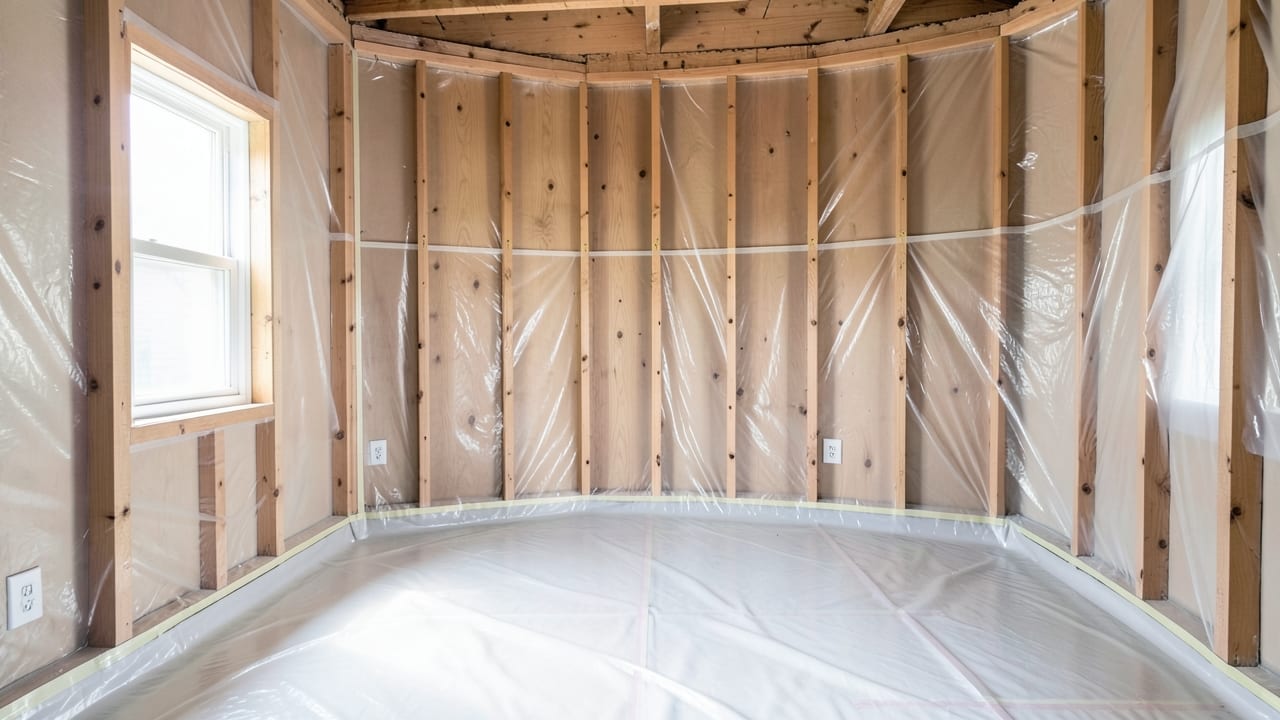
Skipping containment risks spreading spores to unaffected areas of your home, turning a small job into a larger, costlier problem. Plastic sheeting and negative-air machines seal off the work zone, while HEPA air scrubbers and vacuums capture spores that standard equipment would recirculate.
Without these steps, spores can linger in your HVAC system or settle in other rooms, making the mold harder to eliminate.
Clearance testing after remediation ensures the job is complete. An independent lab samples air or surfaces to confirm spore counts are back to normal levels before containment is removed. Without testing, you may not know if hidden mold remains or if the moisture source was fully addressed.
Using non-HEPA vacuums or failing to seal the work area can push spores into your home’s air and ductwork, spreading contamination beyond the original site. Without clearance testing, you risk assuming the job is done when mold may still be present.
How window sill mold cleanup works
Professional remediation follows a structured process to remove mold and prevent regrowth.
- 1Containment Setup
Plastic sheeting seals off the work area, and negative-air machines create a vacuum to keep spores from escaping into your home. This step is critical to prevent cross-contamination.
- 2Material Removal or Cleaning
Porous materials like drywall or insulation that absorb mold are cut out and disposed of. Non-porous surfaces, such as tile or framing, are scrubbed with antimicrobial solutions to kill remaining spores.
- 3HEPA Filtration and Drying
HEPA air scrubbers run continuously to capture airborne spores, and industrial dehumidifiers dry the affected area to prevent moisture from fueling new growth.
- 4Clearance Testing
An independent lab tests air or surfaces post-remediation to confirm spore levels are back to normal before the containment is removed.
Frequently asked questions
Can I clean window sill mold myself, or should I hire a professional?
Small, isolated patches can sometimes be cleaned with vinegar or commercial mold killers, but if the mold covers more than a few square feet or keeps returning, professional remediation is safer. DIY methods often miss hidden moisture sources or fail to contain spores properly.
How long does it take to remediate window sill mold?
Most jobs finish in a single day, but larger or complex cases—especially those requiring structural drying or hidden moisture repairs—may take several days. Containment, drying, and clearance testing add time to the process.
Will my insurance cover window sill mold cleanup?
Coverage depends on your policy and whether the mold resulted from a covered event, like a leak or storm damage. Check with your insurer first, as some policies exclude mold-related claims or require specific documentation.
How do I prevent mold from coming back after cleanup?
Fix the moisture source—whether it’s a leak, poor ventilation, or grading issues—and use dehumidifiers or fans in persistently damp areas. Regularly check humidity levels in the first year to catch early signs of recurrence.
Where Eddington sits, and what the Census lists nearby
Eddington sits in Pennsylvania, and the closest places listed in the U.S. Census Gazetteer are Cornwells Heights (0.8 miles southwest), Beverly, NJ (1.9 miles southeast), Andalusia (1.9 miles southwest), Croydon (2.5 miles east). Within 25 miles of Eddington the same source lists 208 distinct incorporated places and census-designated places.
Those figures matter for window sill mold cleanup because they are straight-line distances between Census coordinate points: road mileage between Eddington and Cornwells Heights runs longer than the 0.8 miles shown, which is why quotes for the same job differ between towns that look close together on a map.
Source: U.S. Census Bureau Gazetteer.
See Beverly, NJ for more, or find out about what's included in our Eddington service across the area for our complete lineup.
Ready to get started?
Talk to a local mold remediation pro in Eddington — get a written quote.
Other Mold Remediation Services in Eddington
Mold Removal & Remediation in Eddington, PA
Mold removal and remediation in Eddington, PA — containment, HEPA filtration, and removal of affected material following industry (IICRC S520) protocol.
Learn More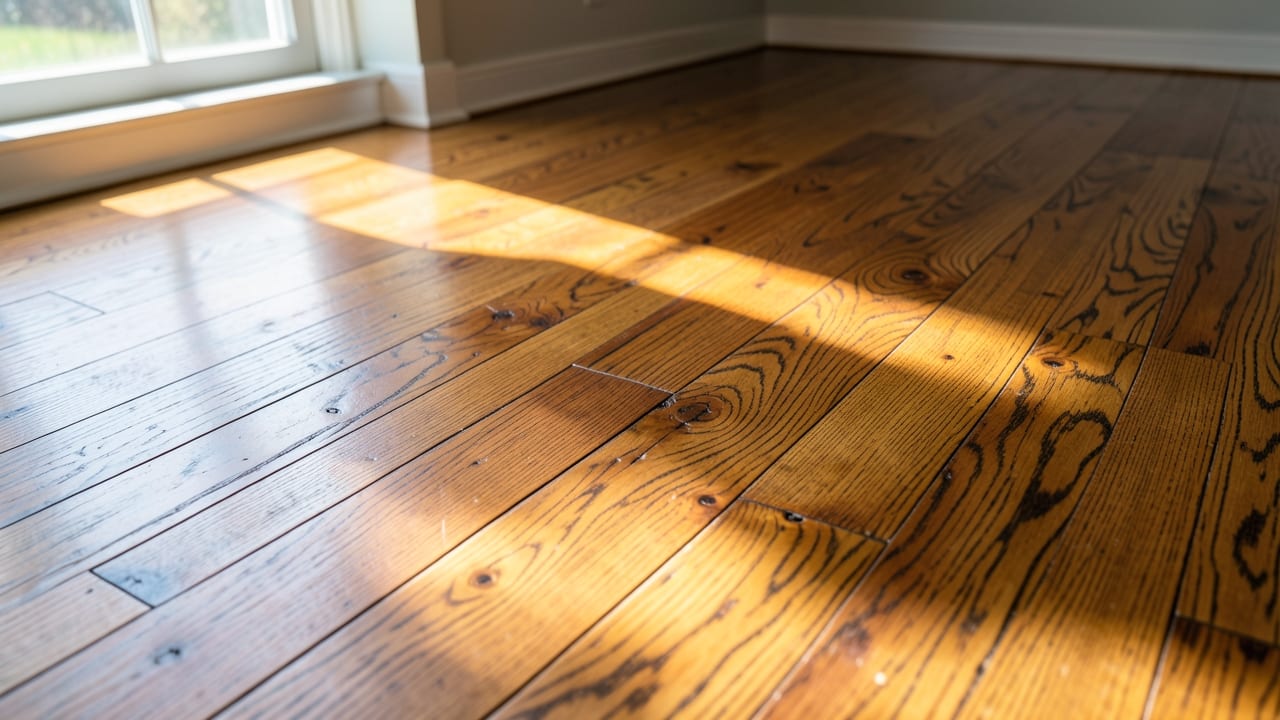
Water Damage Restoration in Eddington, PA
Water damage restoration in Eddington, PA — extraction and structural drying to stop mold growth before it starts, following a leak, storm, or flood.
Learn More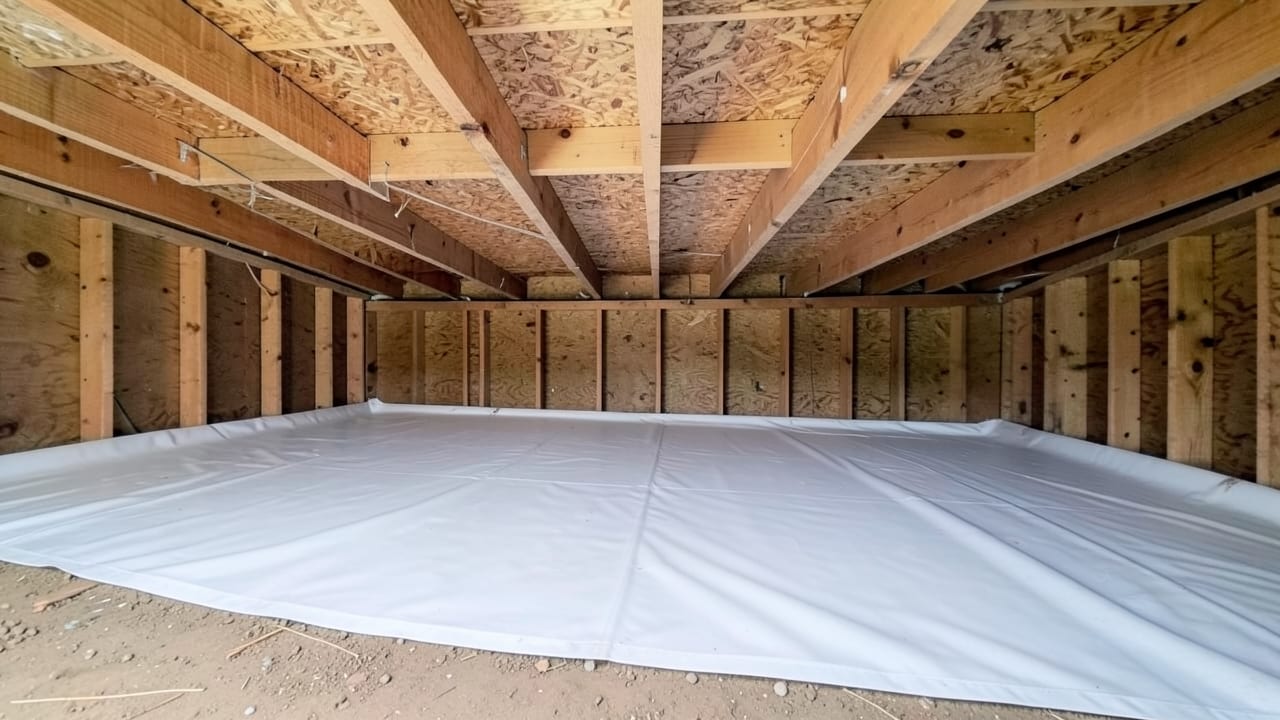
Crawl Space & Basement Mold Remediation in Eddington, PA
Crawl space and basement mold remediation in Eddington, PA addresses the two areas of a property most prone to trapped, unnoticed moisture.
Learn More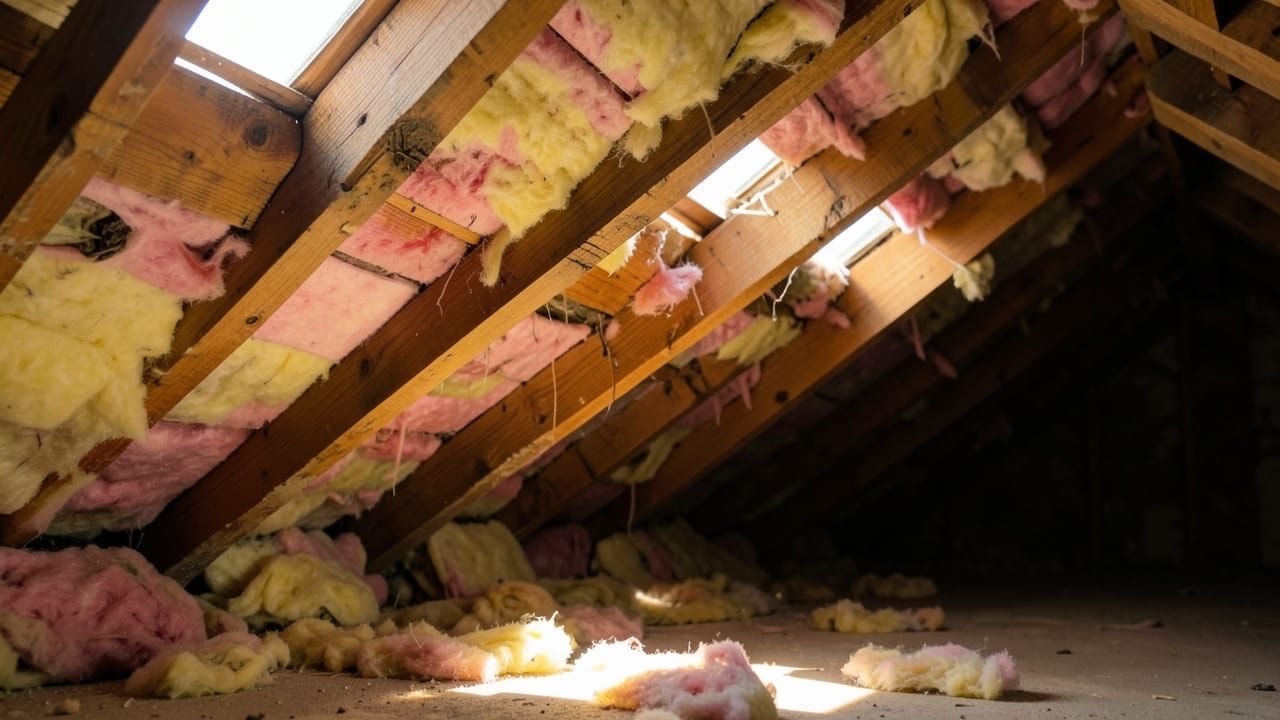
Attic Mold Remediation in Eddington, PA
Attic mold remediation in Eddington, PA addresses roof-deck growth typically caused by poor ventilation or a hidden roof leak.
Learn More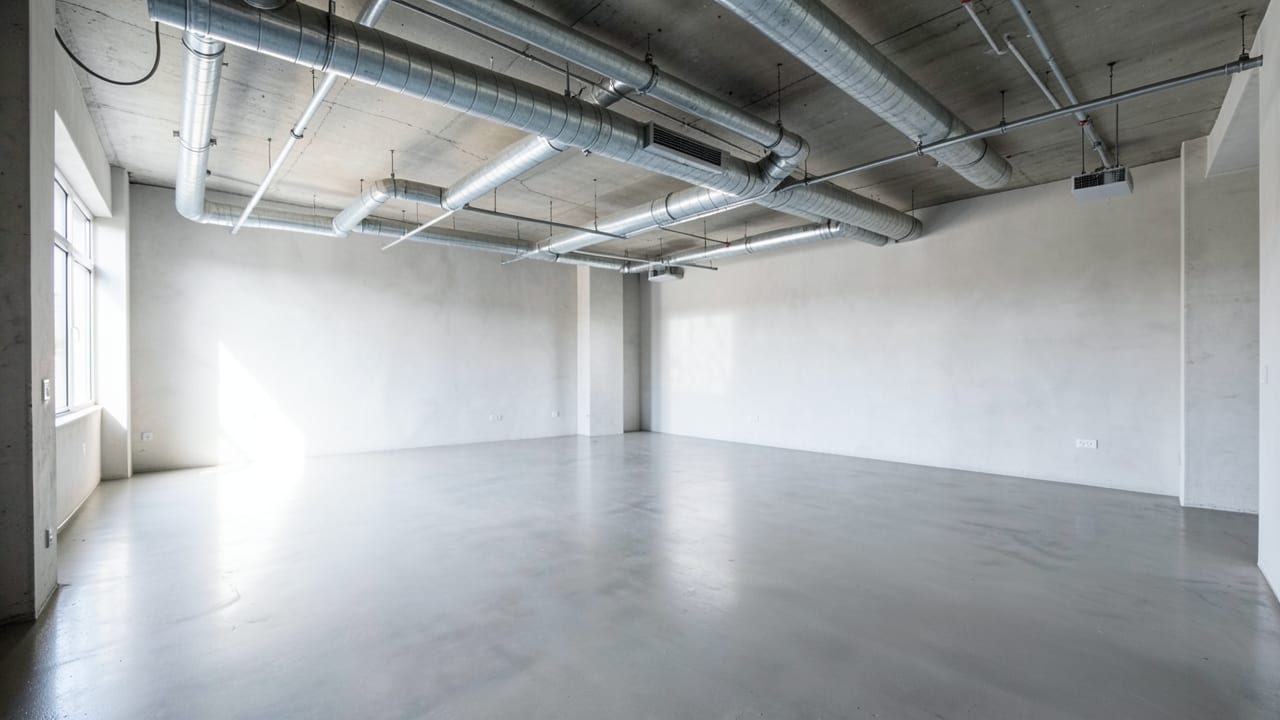
Commercial Mold Remediation in Eddington, PA
Commercial mold inspection and remediation in Eddington, PA for offices, retail space, and multi-unit properties, scheduled around business operations.
Learn More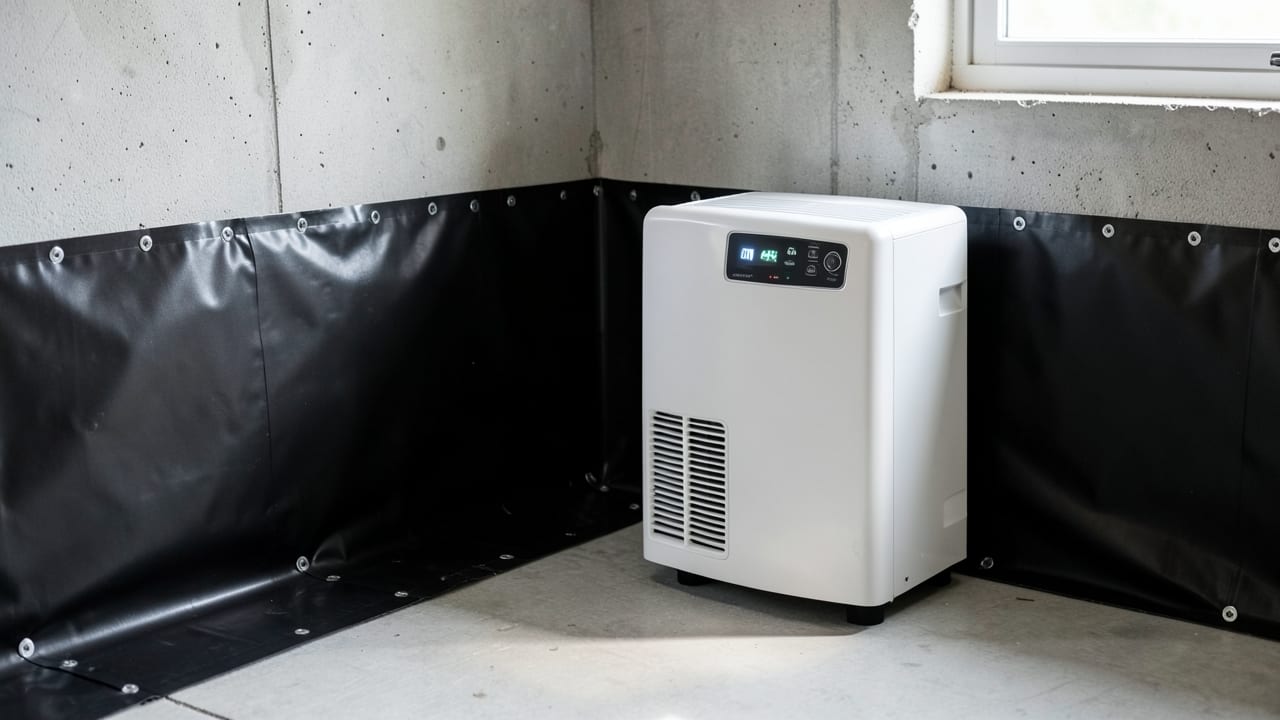
Mold Prevention & Moisture Control in Eddington, PA
Mold prevention and moisture control in Eddington, PA — addressing ventilation, humidity, and drainage before growth starts, not after.
Learn MoreCommon Questions About Mold Remediation in Eddington
Everything you need to know about mold remediation services in Eddington
How much does Window Sill Mold Cleanup typically cost in Eddington, PA?
Why does Eddington, PA's humidity make mold a bigger risk than in drier regions?
Is a final clearance test part of a typical mold remediation job?
How does mold remediation actually prevent the problem from coming back?
Can mold growing inside HVAC ductwork spread to the rest of a home?
Does mold mean the same thing as mildew?
Need Mold Remediation in Eddington?
Connect with local providers in Eddington for a detailed quote.
⏰ We answer your call • Serving all of Eddington and surrounding areas